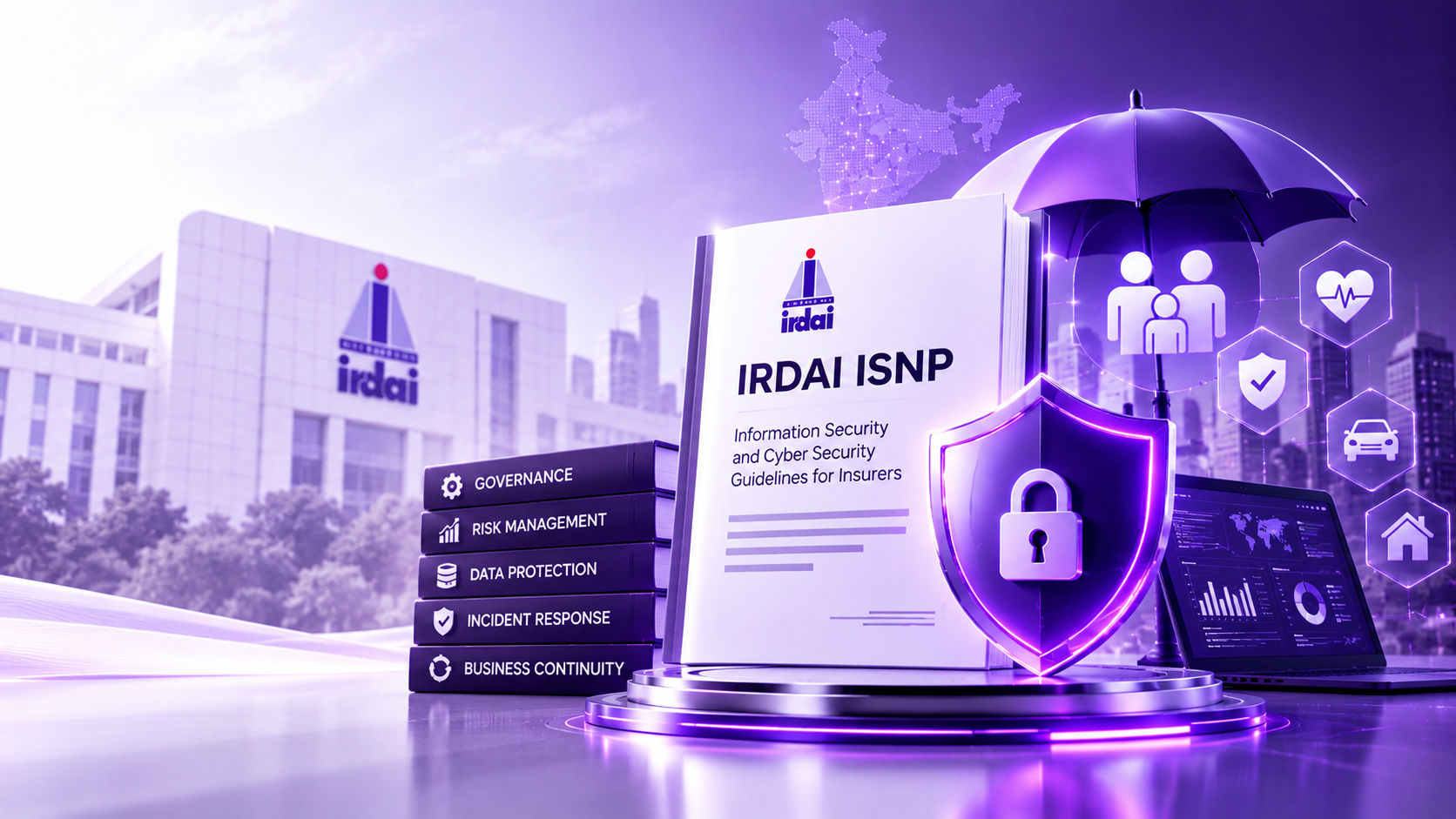
The Insurance Regulatory and Development Authority of India (IRDAI) has introduced several frameworks to support secure, transparent and digital insurance operations. One such key initiative is the Insurance Self-Network Platform (ISNP).
If you’re an insurer or intermediary exploring digital sales channels, understanding IRDAI ISNP is essential. This guide explains what it is, who needs it, the core compliance requirements, and how to simplify implementation.
At Lumiverse Solutions Pvt. Ltd., we help insurers and intermediaries streamline their ISNP compliance journey through secure, audit-ready, and IRDAI-aligned solutions.
What Is IRDAI ISNP Audit?
ISNP (Insurance Self-Network Platform) is a framework that allows insurers and intermediaries such as brokers, corporate agents, or web aggregators—to sell insurance products online through their own digital platforms, with prior approval from IRDAI.
In simple terms, it is a self-managed online portal where insurance products can be:
- Marketed to prospects and customers
- Sold through secure digital customer journeys
- Serviced via self-service options and assisted workflows
All of this must be done in line with IRDAI’s regulations on security, process controls, data protection, and fair customer treatment.
Why Did IRDAI Introduce ISNP?
IRDAI’s ISNP framework is designed to:
- Promote digital transformation in the insurance ecosystem
- Improve customer experience through seamless self-service journeys
- Ensure security and data protection in online insurance transactions
- Bring standardisation and oversight to digital insurance distribution
Who Needs an ISNP?
You may need to set up an ISNP if you are:
- An Insurance Company (Life, General or Health) selling policies online
- A Corporate Agent or Web Aggregator using digital channels for lead generation and sales
- An Insurance Broker offering digital customer engagement and advisory journeys
- Any Insurance Intermediary expanding distribution using websites, mobile apps, or digital portals
Each of these entities must obtain IRDAI approval before launching their ISNP and must operate in line with IRDAI’s technical, operational, and security guidelines.
Key Requirements for IRDAI ISNP Compliance
IRDAI’s ISNP framework lays down multiple checkpoints around technology, security, process and governance. Some of the core requirements include:
1. Secure Hosting Infrastructure
Your ISNP must be hosted on a secure, compliant infrastructure, preferably within India, with proper encryption, network security and access control in place.
2. Data Privacy and Protection
All customer data—proposal details, policy information, KYC data, health details, and payment information—must be handled using data protection best practices and applicable privacy laws.
3. Audit & Continuous Monitoring
Regular security audits and Vulnerability Assessment & Penetration Testing (VAPT) are essential to identify and fix weaknesses in the platform.
4. Transaction Logs & Record Keeping
The ISNP must maintain detailed logs of all user interactions and policy transactions for traceability and dispute resolution.
5. Grievance Redressal & Customer Support
A clear, easy-to-access grievance redressal system must be available on the platform with defined turnaround times and escalation paths.
Failing to meet IRDAI requirements can lead to penalties, restrictions on platform operations, or even suspension of the ISNP approval.
Benefits of Implementing an ISNP
When implemented correctly, a compliant ISNP offers strategic advantages:
- ✓ Direct Customer Engagement: Build long-term relationships without depending only on third-party marketplaces.
- ✓ Operational Efficiency: Automate onboarding, proposal management, issuance, and servicing.
- ✓ Regulatory Transparency: Demonstrate compliance through clear logs, reports and structured workflows.
- ✓ Business Scalability: Easily scale to new products, partners and geographies within India.
- ✓ Enhanced Security: Protect customer data and brand reputation with strong cyber security controls.
How Lumiverse Solutions Helps with IRDAI ISNP Compliance
At Lumiverse Solutions Pvt. Ltd., we specialise in delivering end-to-end ISNP compliance and implementation support, so insurance players can focus on business growth while staying safe and compliant.
- IRDAI ISNP Gap Assessment & Readiness Audit
- Vulnerability Assessment & Penetration Testing (VAPT)
- Data Security, Governance & Compliance Consulting
- ISNP Hosting Architecture & Infrastructure Security Setup
- Policy, process and documentation support for IRDAI submissions
We align our solutions with IRDAI’s technical and operational expectations to ensure your ISNP is compliant, resilient, and future-ready.
Conclusion
In an increasingly digital insurance landscape, IRDAI ISNP provides a structured way to reach customers faster, safer and more transparently. However, meeting the compliance bar requires a blend of the right technology, security practices, and regulatory understanding.
Partner with Lumiverse Solutions Pvt. Ltd. to simplify your ISNP journey—from readiness assessment to secure implementation and ongoing hardening.
Let’s build your compliant, customer-first digital insurance platform today.
Planning to launch or upgrade your ISNP?
Get an ISNP readiness assessment, security review and implementation roadmap from Lumiverse Solutions.
Talk to an ISNP ExpertExplore More:
Reference: IRDAI — Insurance Self-Network Platform Guidelines
Frequently Asked Questions — IRDAI ISNP
Q1. What is IRDAI ISNP in simple terms?
Q2. Who can apply for an ISNP?
Q3. Is ISNP mandatory for selling insurance online?
Q4. What are the main technical requirements for ISNP?
Q5. What happens if an ISNP is not compliant?
Q6. How is ISNP different from a web aggregator model?
Q7. How long does ISNP implementation usually take?
Q8. How does Lumiverse Solutions support IRDAI ISNP compliance?
Ready to move ahead with IRDAI ISNP?
Get a practical, step-by-step ISNP roadmap, along with security and compliance support from Lumiverse Solutions.
Talk to an ISNP Expert