What is a Cloud Security Assessment and Why Does Your Business Need One?
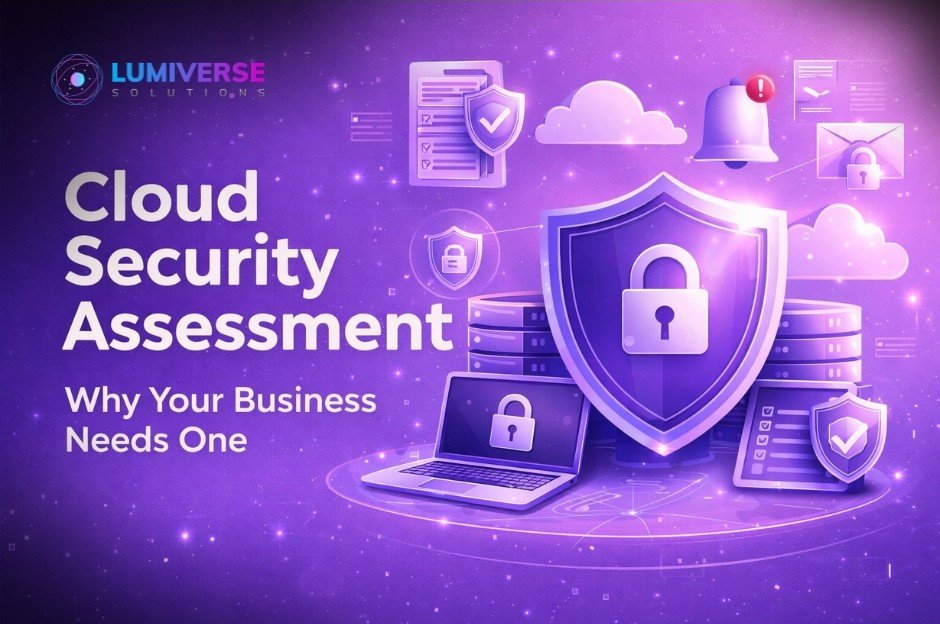
What is a Cloud Security Assessment and Why Does Your Business Need One? As businesses increasingly shift their operations to cloud environments, securing data, applications, and infrastructure has become a top priority. While cloud platforms offer flexibility and scalability, they also introduce new security risks if not properly managed. A Cloud Security Assessment helps organizations identify vulnerabilities, misconfigurations, and compliance gaps before they lead to serious cyber incidents. In today’s evolving threat landscape, proactive cloud security is not optional—it is essential. What is a Cloud Security Assessment? A Cloud Security Assessment is a comprehensive evaluation of an organization’s cloud infrastructure to identify security weaknesses, risks, and areas for improvement. It focuses on ensuring that cloud environments are properly configured, secure, and compliant with industry standards. Key Components of a Cloud Security Assessment 1. Cloud Architecture Review Evaluates how your cloud infrastructure is designed and how it integrates with applications and networks. 2. Identity & Access Management (IAM) Reviews user access controls to ensure only authorized users can access sensitive systems and data. 3. Data Protection & Encryption Ensures sensitive data is encrypted both at rest and during transmission across cloud environments. 4. Compliance & Regulatory Checks GDPR HIPAA SOC 2 Industry-specific regulations 5. Vulnerability & Threat Detection Misconfigurations Unpatched systems Unauthorized access points 6. Incident Response Readiness Evaluates your organization’s ability to detect, respond to, and recover from cloud security incidents. Why Does Your Business Need a Cloud Security Assessment? 1. Protecting Sensitive Data Stores critical business data (customer information, financial records, intellectual property) Prevents unauthorized access Reduces risk of data leaks Protects against cyberattacks 2. Ensuring Compliance with Regulations Identifies compliance gaps Helps avoid legal penalties Ensures audit readiness 3. Preventing Costly Data Breaches Minimizes financial losses Reduces legal consequences Prevents reputation damage Detects vulnerabilities early 4. Improving Overall Security Posture Strengthens threat detection Improves incident response capabilities Protects against ransomware, phishing, and APTs 5. Optimizing Cloud Resource Usage Identifies unused resources Detects misconfigurations Reduces unnecessary access permissions Optimizes cloud costs 6. Ensuring Business Continuity Minimizes downtime Enables faster recovery from incidents Ensures uninterrupted business operations How Lumiverse Solutions Helps You Secure Your Cloud Detailed evaluation of cloud configurations Identification of vulnerabilities and risks Actionable remediation recommendations Compliance alignment Continuous improvement strategies Strengthen Your Cloud Security Today Connect with Lumiverse Solutions to schedule your Cloud Security Assessment. Book Free Consultation FAQ What is a Cloud Security Assessment? It evaluates cloud infrastructure to identify vulnerabilities and risks. Why is cloud security important? It protects sensitive data, ensures compliance, and prevents cyber threats. How often should assessments be conducted? Regularly, especially after major changes or migrations. Recent Posts March 24, 2026 What is a Cloud Security Assessment and Why Does Your Business Need One? March 17, 2026 How Penetration Testing Can Improve Your Business’s Cybersecurity Culture March 10, 2026 How Network Security Assessments Saved Businesses from Cyber Attacks March 3, 2026 How Geopolitical Conflicts Increase Cyber Risk for Indian Businesses February 24, 2026 AI Innovation vs Cyber Risk: What Businesses Must Learn from the 2026 AI Summit February 14, 2026 7 Cybersecurity Gaps Regulators Flag During VAPT Audits February 10, 2026 Why Vendor Risk Is the Biggest Compliance Failure in 2026 February 3, 2026 Cybersecurity Compliance in 2026: Why Continuous Audits Have Replaced Annual Checks January 21, 2026 From CSCRF to DPDP: The Growing Link Between Cybersecurity and Data Privacy in 2026 December 12, 2025 SEBI CSCRF Audit: Why You Must Be Ready For 2026 Categories Cyber Security Security Operations Center Cloud Security Case Study Technology Trends Don’t Let Cyber Risks Disrupt Your Business Growth Certified Cybersecurity & Compliance Experts: 12+ years of industry experience delivering VAPT, ISO 27001, SOC 2, and regulatory compliance aligned with global standards. Proven Real-World Cyber Expertise: 850+ cybercrime cases investigated and 1500+ cybersecurity audits conducted across enterprises and regulated industries. Strengthening People, Processes & Technology: 4500+ cybersecurity awareness sessions delivered to reduce human-layer risks and improve organizational cybersecurity. End-to-End Security Partner: From advanced penetration testing to global compliance frameworks, Lumiverse Solutions ensuring businesses stay secure, compliant, and confidently future-ready. Secure. Comply. Scale with Confidence. Book Your free Consultation → India: +91 77986 60940 / +91 7397 882 579 UAE: +971 58 585 6233
What is a Cloud Security Assessment and Why Does Your Business Need One? Read More »